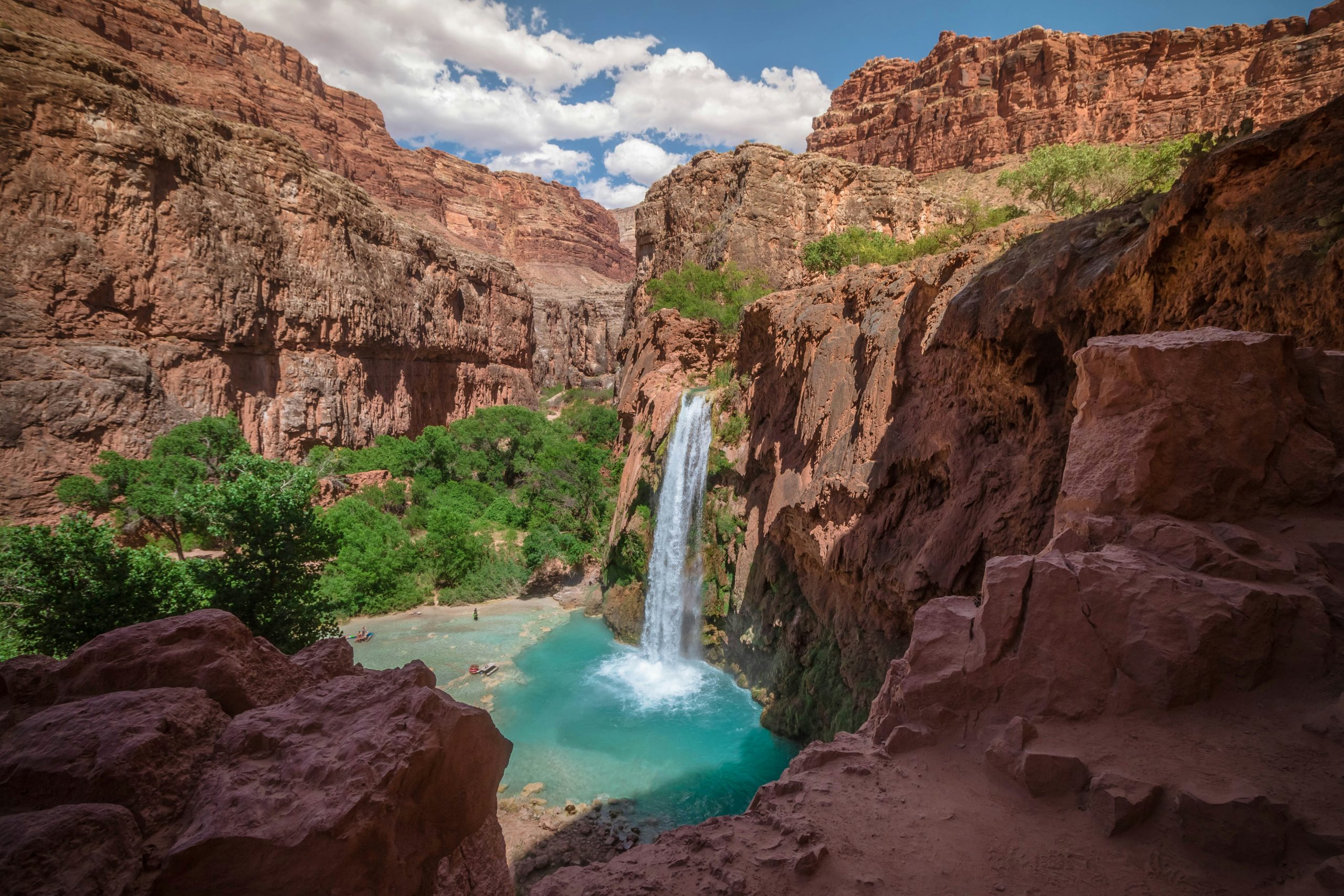
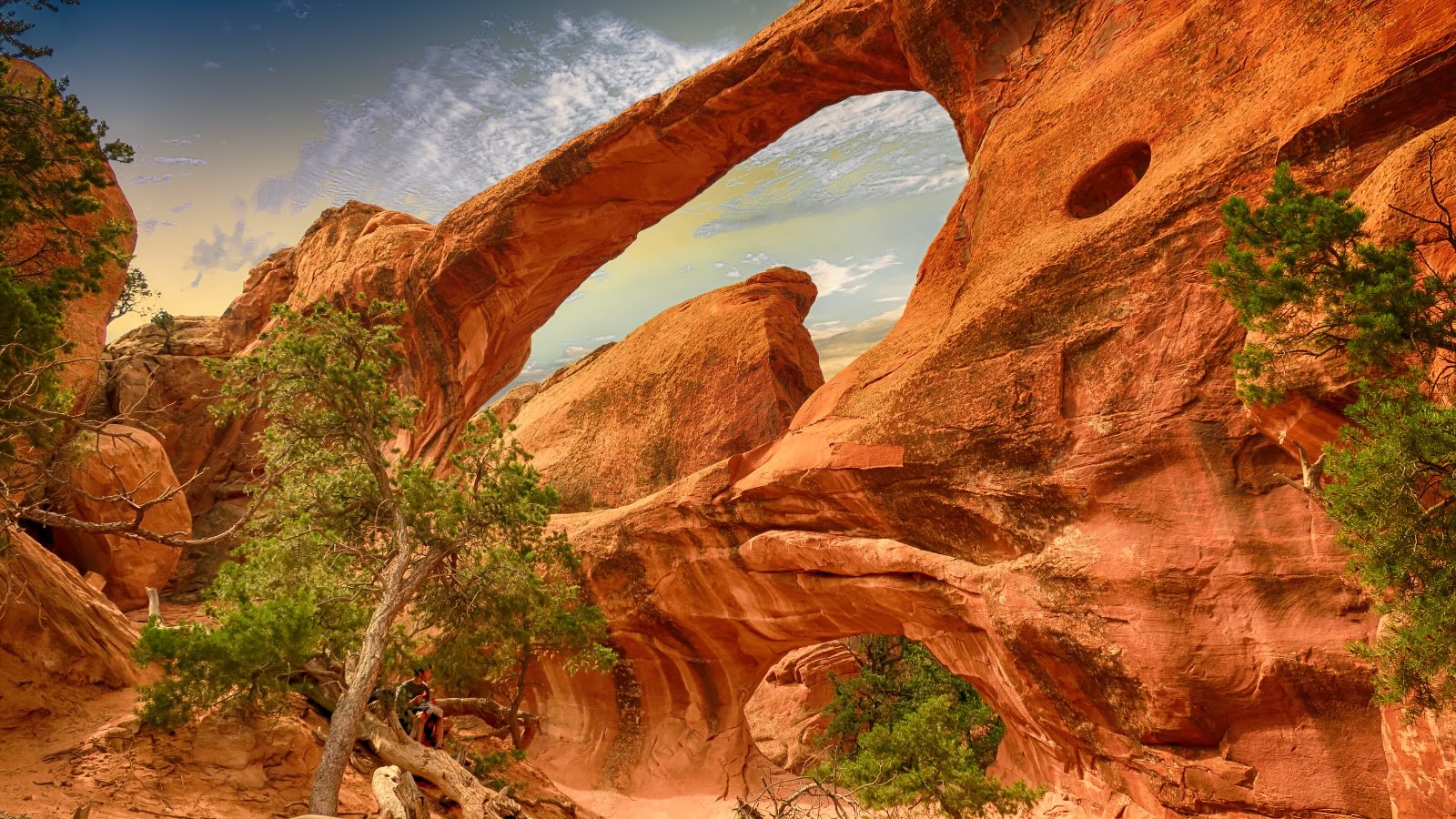
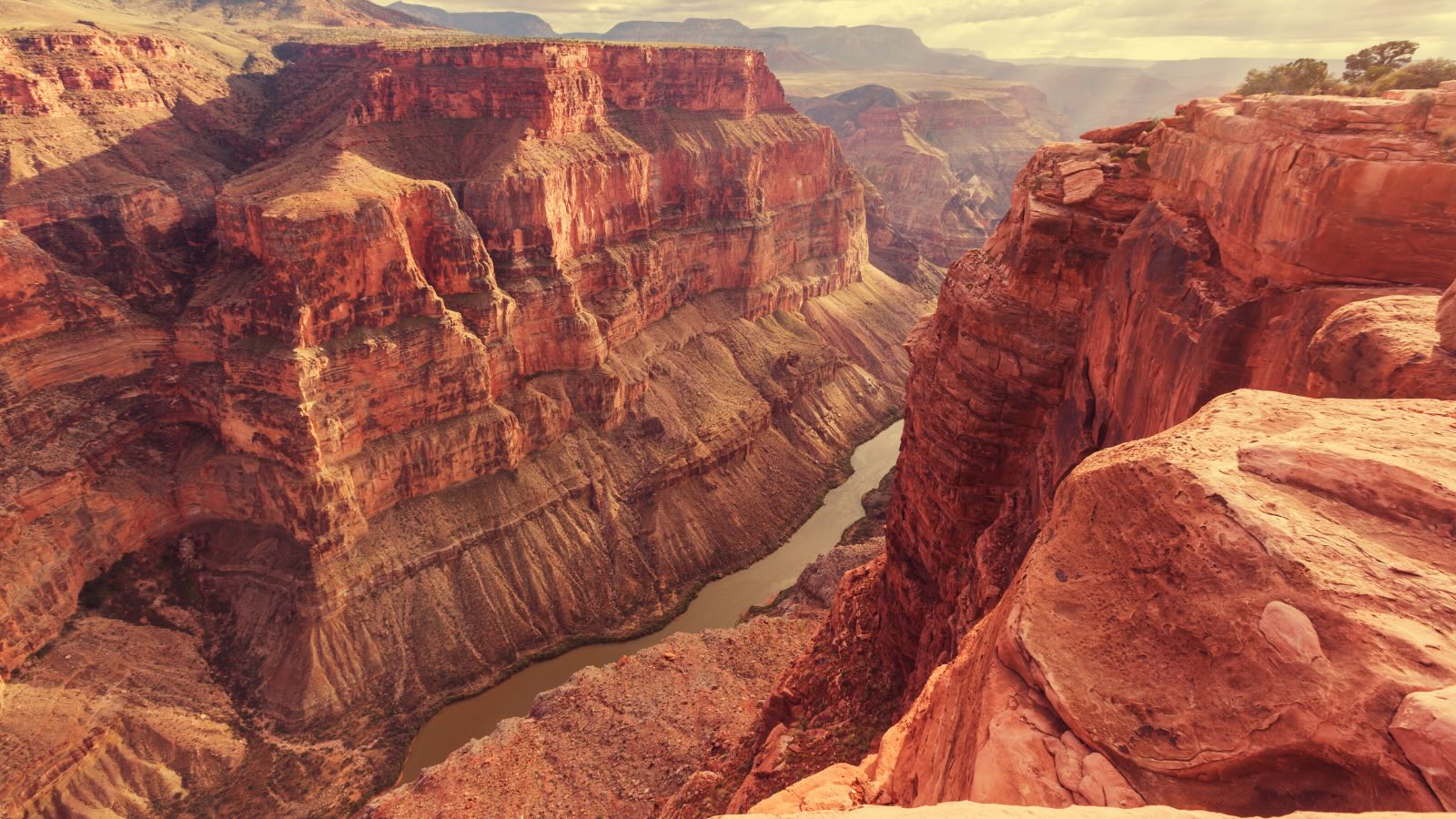
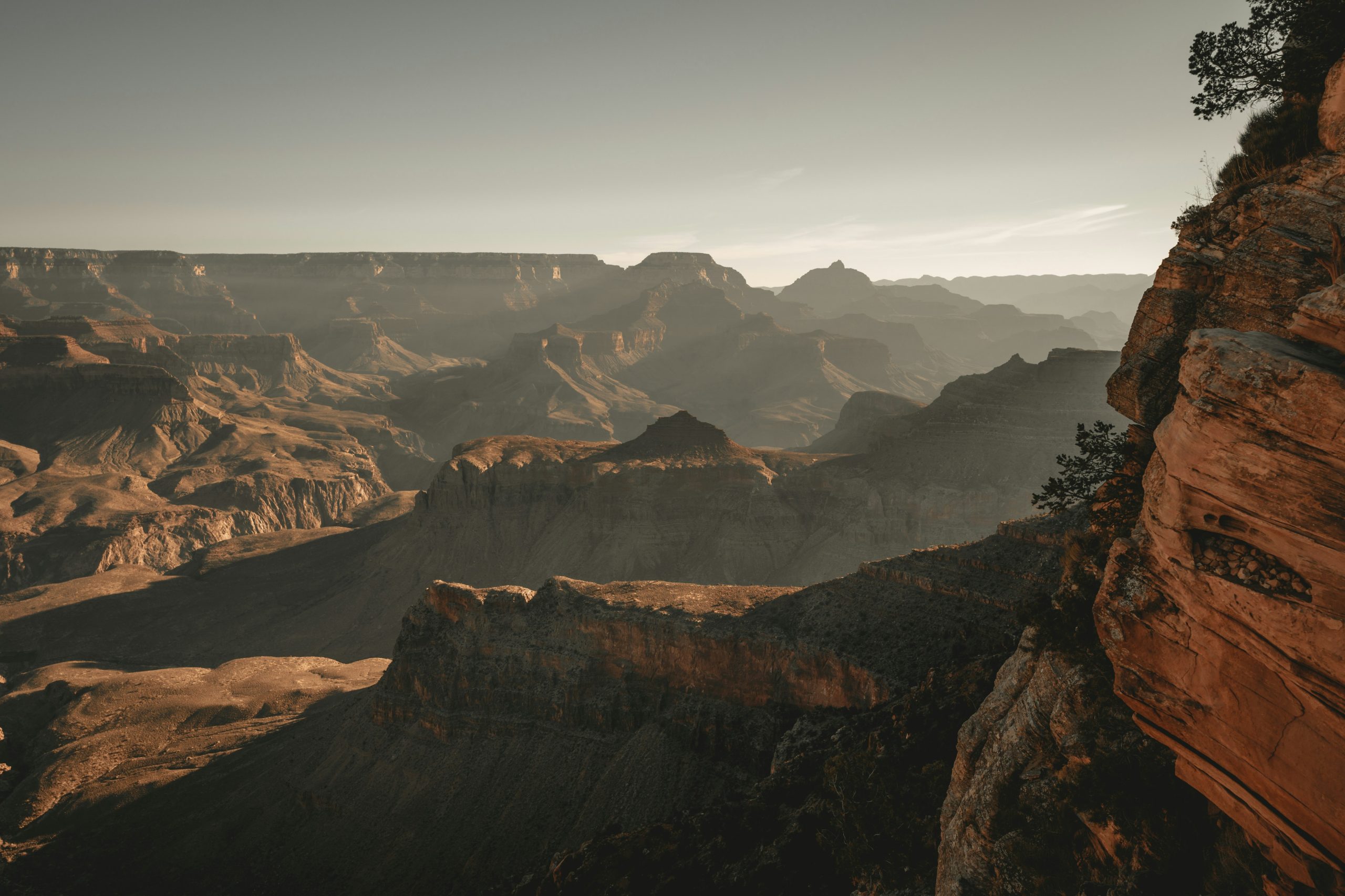
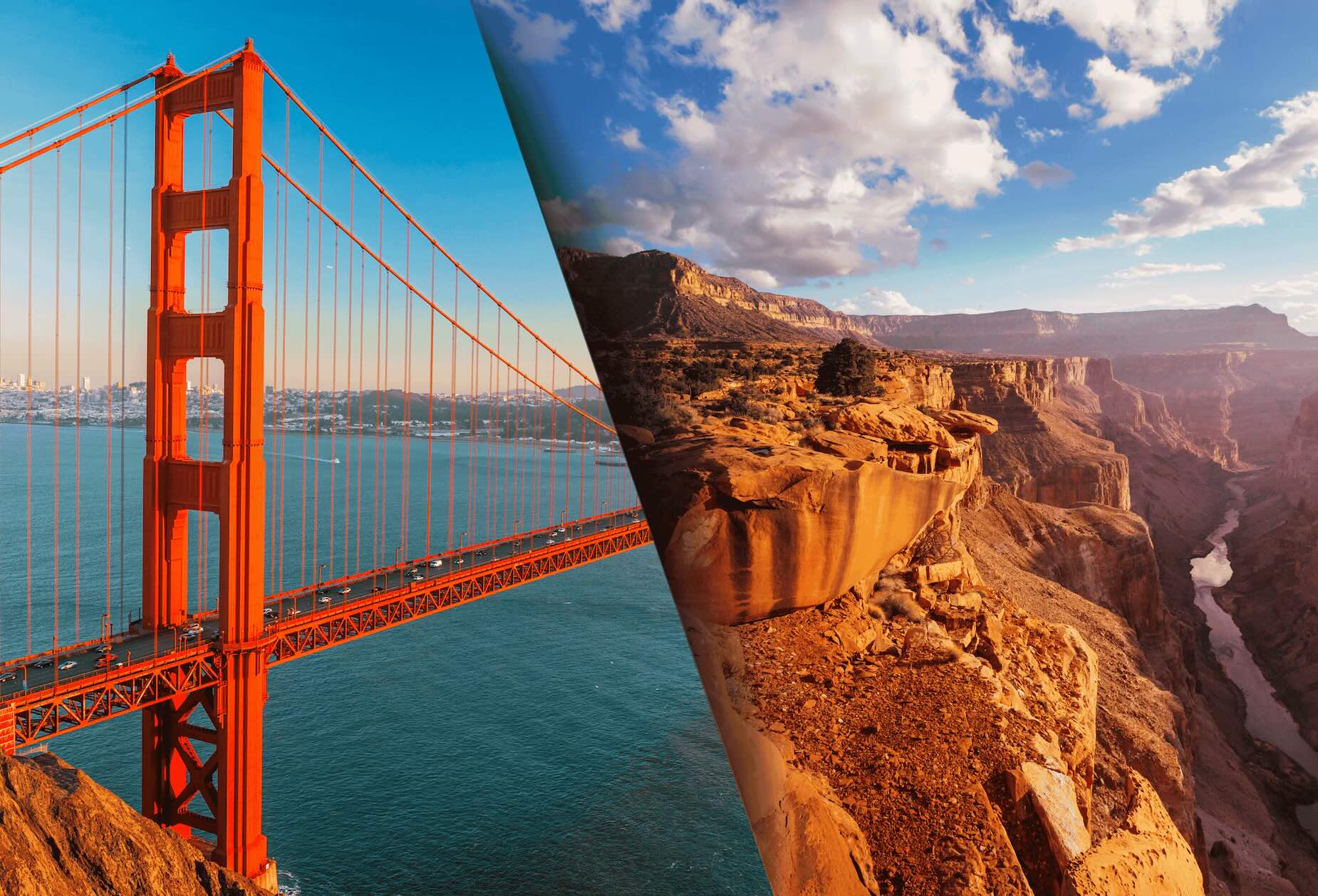
The Grand Canyon is one of the most famous natural areas in the United States. The deep canyon was created by millions of years of flowing water from the Colorado River. The landscape is vast and therefore makes for wonderful hiking trails.
A visit to the Grand Canyon is a highlight for many travelers during their tour of the American West Coast. On this page you can read what you can see and do, which part of the park suits you and where you can stay overnight. We also give practical tips and answer frequently asked questions, so you are well prepared for your trip.
Highlights and activities
Viewpoints
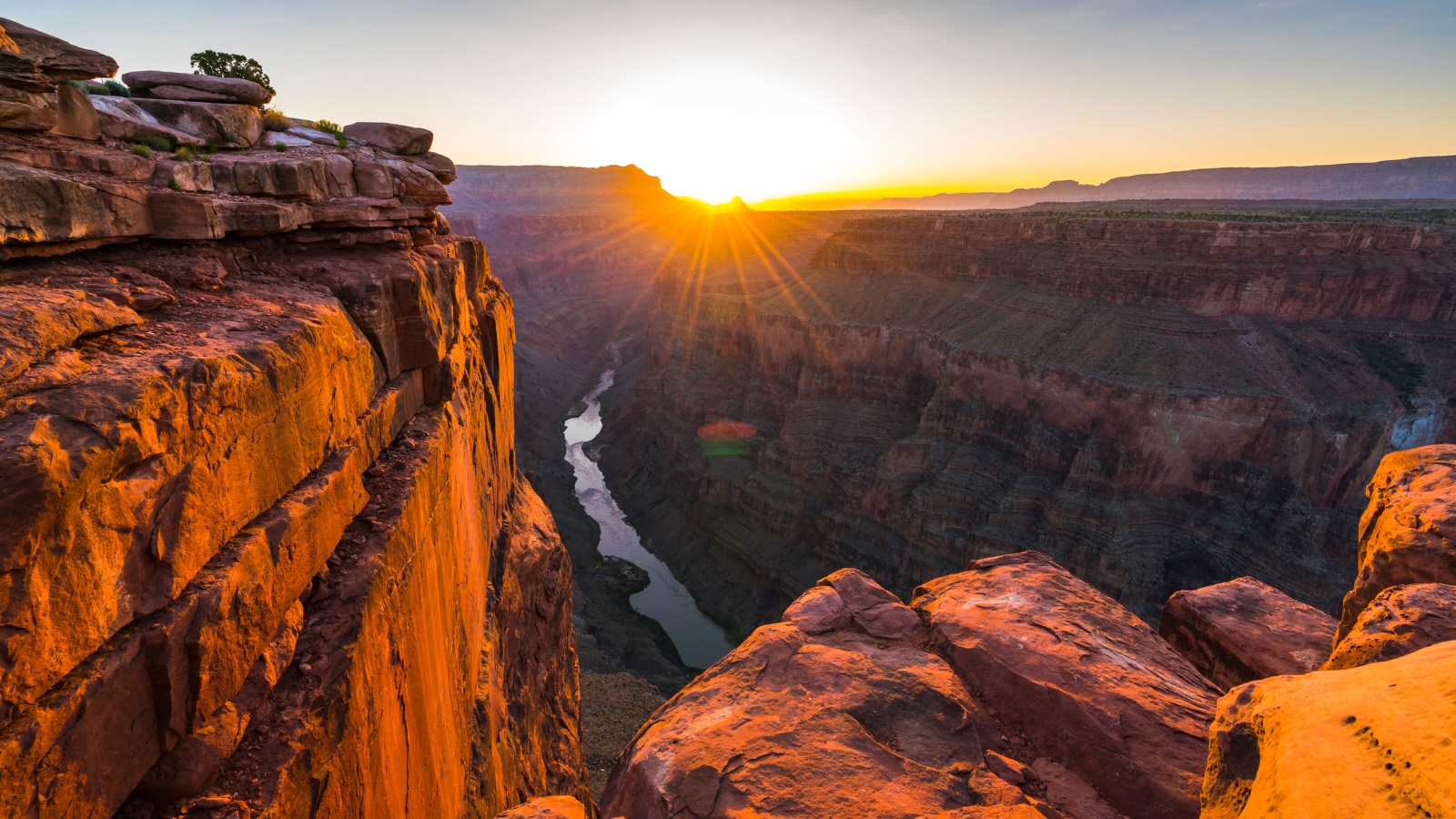
Famous spots such as Mather Point, Yavapai Point and the Desert View Watchtower give you stunning views of the Grand Canyon. Especially at sunrise and sunset, the colors of the rocks come into their own.
Hiking trails
The Bright Angel Trail and the South Kaibab Trail are among the most popular hiking trails in the Grand Canyon. Both trails take you from the South Rim down into the canyon. They vary in length and difficulty, providing options for both experienced hikers and those looking for a shorter hike.
Helicopter flight
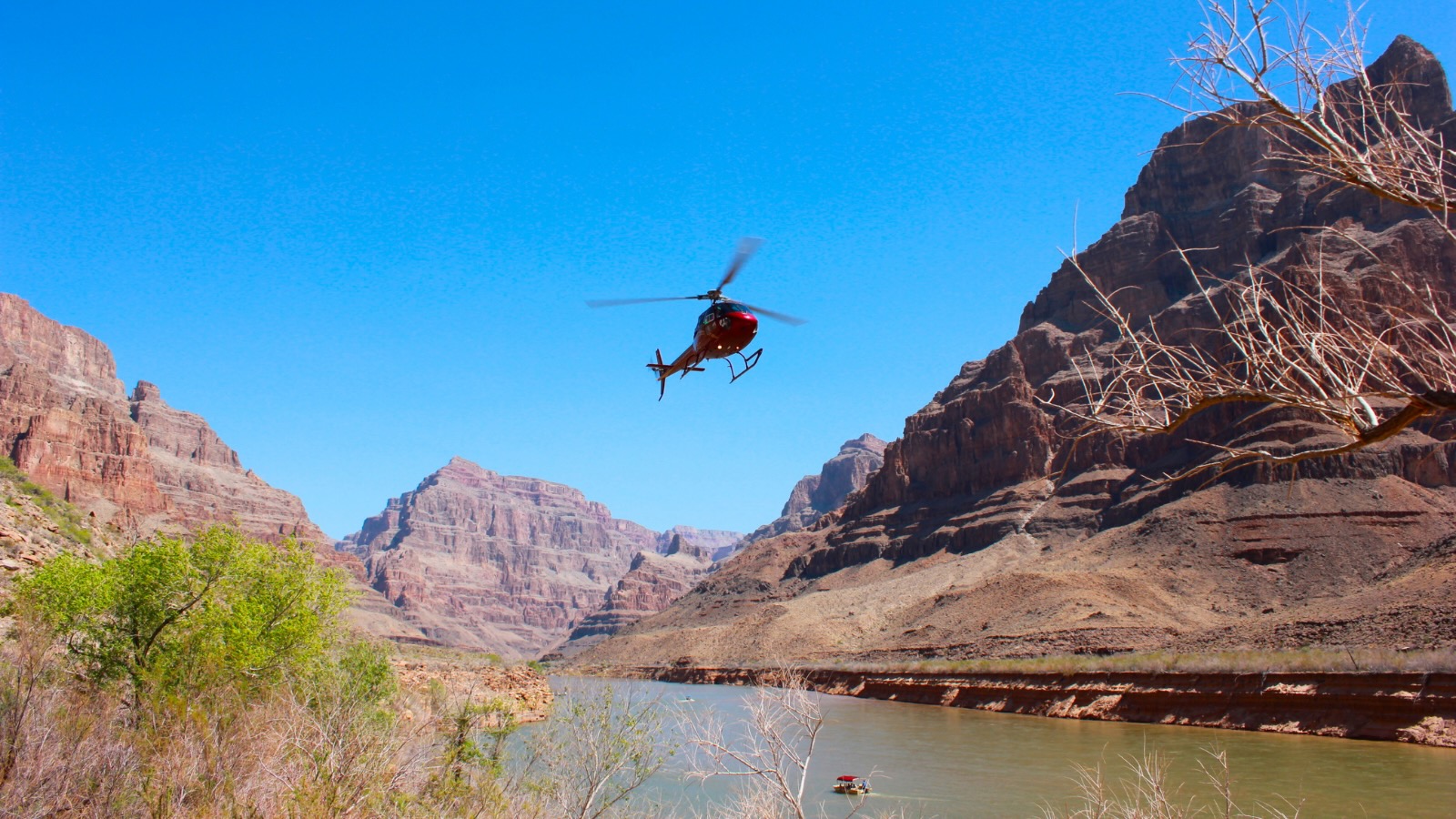
A helicopter flight lets you see the Grand Canyon from above. It's a quick way (but also a somewhat more costly way) to get an impression of the enormity of the area.
Rafting on the Colorado River
Adventurous travelers can opt for a rafting trip on the Colorado River. During the trip, you sail between high rock walls and feel the power of the river. Along the way, quiet stretches alternate with exciting rapids.
More practical information can be found at the official website of Grand Canyon National Park. Want more inspiration for the region? Then check out our Arizona page.
South Rim vs North Rim
- South Rim - This is the most visited part of the Grand Canyon and open year-round. It is easily accessible from Las Vegas, Phoenix and Flagstaff. Here you will find most of the viewpoints, hiking trails, visitor centers and accommodations. In the summer months it can be a bit busier here.
- North Rim - This part is higher and has a quieter and more natural feel. The North Rim is only open from May to October, as there is a lot of snow in the winter. You'll find fewer facilities, but beautiful hiking trails and viewpoints that are often quieter.
Florivida tip: ensure the best accommodation to best experience the Grand Canyon as part of the roundtrip. Our travel experts know the best options for staying in or close to the Grand Canyon.
Cultural history
The Grand Canyon is not only a natural wonder, but also an area with a rich history. For thousands of years, indigenous peoples have lived in and around the canyon, including the Havasupai, Hopi and Navajo. Their stories, traditions and artwork paint a unique picture of the bond between man and nature.
Visitors can learn more about this background in the Tusayan Museum and at archaeological sites along the South Rim. You will also find several overlooks and hiking trails in the park that are linked to ancient settlements.
Staying overnight at the Grand Canyon
- Lodges in the park - There are a number of attractive accommodations in the national park, such as the Bright Angel Lodge and the Yavapai Lodge. Yavapai Lodge in particular is popular for its central location near the South Rim and its wide range of rooms.
- Campsites - For those who like to stay in the middle of nature, there are several campgrounds in and around the park. Mather Campground near the South Rim and the North Rim Campground are popular places to spend the night.
- Hotels nearby - In places like Tusayan, Williams and Flagstaff you will find a wide range of hotels and motels. These are often cheaper, but are a bit farther away from the Grand Canyon, giving you a little less flexibility.
Curious about the possibilities? Then check out here our favorite accommodations that we can include in a customized travel proposal.
Plan your trip with Florivida
A trip to the Grand Canyon requires good preparation. We'll help you arrange tickets, lodging and the best itineraries so you don't have to worry about anything.
In addition, we often combine this natural wonder with destinations such as Las Vegas, the national parks of Utah AND the magical world of Disney in California. This creates a complete round trip in which everything comes together.
Discover our journey through the American West Coast or ask a personalized travel proposal to.